2025-12-30 · 5 min read
The importance of safety and efficacy testing for cosmetic active ingredients
How cosmetic ingredients are proven safe and proven to work: the test batteries, the EU animal testing ban, and what claim substantiation requires.
Quality & testing · Regulatory
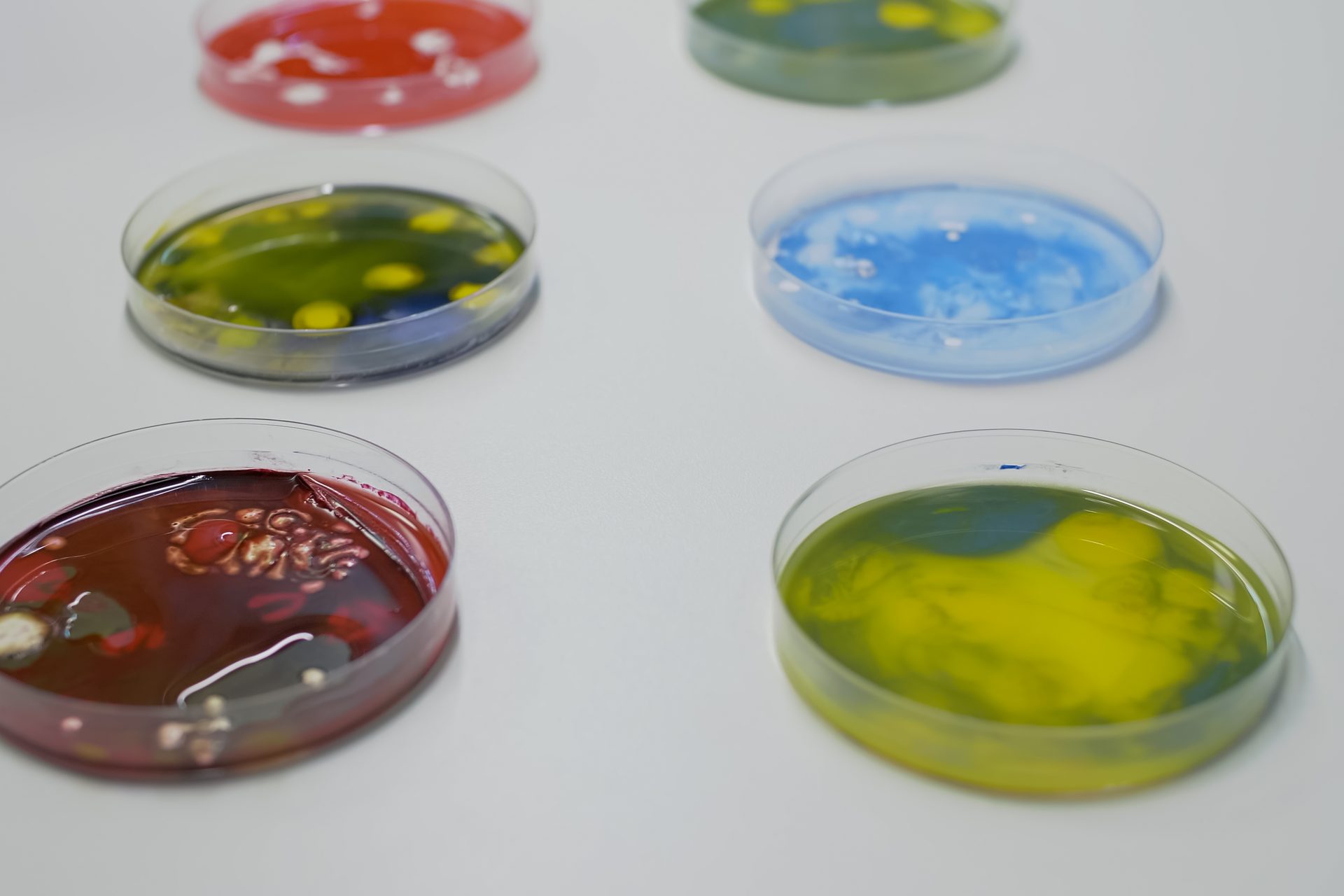
How does anyone know a skincare product is safe, and that it does what the pack says? Two separate programmes answer those two questions, and it is worth knowing that only one of them is legally required before a product goes on sale.
Safety testing
Safety testing establishes what an ingredient does not do: it identifies hazards, sets safe concentrations, and defines who should avoid it. The standard battery covers:
- Skin irritation: potential to cause reversible inflammation.
- Eye irritation: particularly important for cleansers and eye-area products.
- Skin sensitisation: potential to cause allergic contact dermatitis, which differs from irritation in being an immune response that persists once established.
- Phototoxicity and photoallergy: reactions occurring only in the presence of light.
- Genotoxicity: potential to damage DNA.
- Systemic toxicity, where dermal absorption data indicate meaningful exposure.
The method has changed fundamentally, and this is the most consequential fact in cosmetic testing. Animal testing for cosmetics is prohibited in the European Union: testing finished products since 2004, ingredients since 2009, and, decisively, the marketing of any cosmetic tested on animals since March 2013, wherever in the world the testing took place. Many other jurisdictions have adopted comparable bans.
Validated alternatives now carry the work: reconstructed human epidermis models for irritation and corrosion, the 3T3 NRU assay for phototoxicity, in chemico and cell-based assays for sensitisation, and computational read-across from structurally similar substances. Human volunteer studies (patch tests, use tests under dermatological supervision) confirm tolerance across skin types.
Efficacy testing
Efficacy testing establishes what an ingredient does: whether it reduces wrinkle depth, improves hydration, evens tone or increases firmness.
Study design determines how much a result is worth. Subjects use the product for a defined period, with skin assessed before and after by dermatologists and by instrumental measurement: corneometry for hydration, cutometry for elasticity, profilometry for wrinkle depth, chromametry for tone. The stronger designs are vehicle-controlled (comparing against the same formula without the active), randomised and blinded. Without a vehicle control, a study cannot separate the active's effect from the base's.
Some claims are backed by standardised methods with regulatory force: SPF is measured by ISO 24444, UV-A protection by ISO 24443, preservative efficacy by ISO 11930.
Why it matters
Testing does not guarantee a result for any individual (skin type, condition and climate all vary), but it establishes reasonable expectations for a population, and it prevents both harm and misleading claims.
One asymmetry is worth understanding as a consumer. Safety assessment is legally required before a cosmetic goes on sale; efficacy proof is not. Claims must be substantiated and not misleading, but that is a considerably lower bar than a drug's pre-approval efficacy requirement. This is precisely why performance claims deserve more scepticism than safety does.
Consumer protection and the regulatory framework
In the EU, every cosmetic requires a Cosmetic Product Safety Report prepared by a qualified safety assessor, a Product Information File, a named Responsible Person and CPNP notification before it may be sold. Over 1,300 substances are prohibited in cosmetics under Annex II of Regulation (EC) No 1223/2009, with further substances restricted under Annexes III to VI.
That figure is often attributed to REACH, which is a different instrument. REACH governs industrial chemicals generally and covers registration and restriction across all uses; the cosmetic prohibitions sit in the Cosmetic Products Regulation. Both apply to a cosmetic ingredient, for different purposes.
In the US, the FDA oversees cosmetics under the Federal Food, Drug, and Cosmetic Act, with MoCRA adding facility registration, product listing, safety substantiation and adverse-event reporting since 2022.
Environmental assessment is part of the picture too: persistence, bioaccumulation and aquatic toxicity all bear on whether an ingredient stays available.
Natural ingredients are not exempt
Worth stating plainly, because the assumption runs the other way. Plant-derived materials require the same testing, and many are irritant or sensitising: essential oils are among the more common causes of contact allergy in cosmetics, several botanical extracts are phototoxic, and some plant constituents are toxic. Origin tells you nothing about hazard (see the safety of colouring agents).
Every determination ends the same way: a weighing of hazard against exposure, producing a maximum concentration and a set of use restrictions. That is what an approval is (see quality testing of cosmetic active ingredients).
Frequently asked
Is animal testing used for cosmetics?
Not in the EU, where testing finished cosmetics on animals has been banned since 2004 and ingredients since 2009, with a full marketing ban since 2013. Validated in vitro methods (reconstructed human epidermis, the 3T3 NRU phototoxicity test, in chemico sensitisation assays) are used instead, and many other jurisdictions have followed.
Does the EU ban 1,300 chemicals under REACH?
The figure is right but the instrument is not. Over 1,300 substances are prohibited in cosmetics under Annex II of Regulation (EC) No 1223/2009. REACH is the separate framework governing industrial chemicals generally.
Is efficacy testing legally required?
No. Cosmetics require pre-market safety assessment but not pre-market proof of efficacy. Claims must be substantiated and not misleading, which is a lower bar than a drug's efficacy requirement and the reason performance claims warrant more scepticism than safety.