2025-12-30 · 5 min read
Exfoliation skincare: radiant and healthy skin with active ingredients
Physical, chemical and enzymatic exfoliation compared: AHAs, BHA, PHAs and proteases, what each suits, and why over-exfoliation is the commonest mistake.
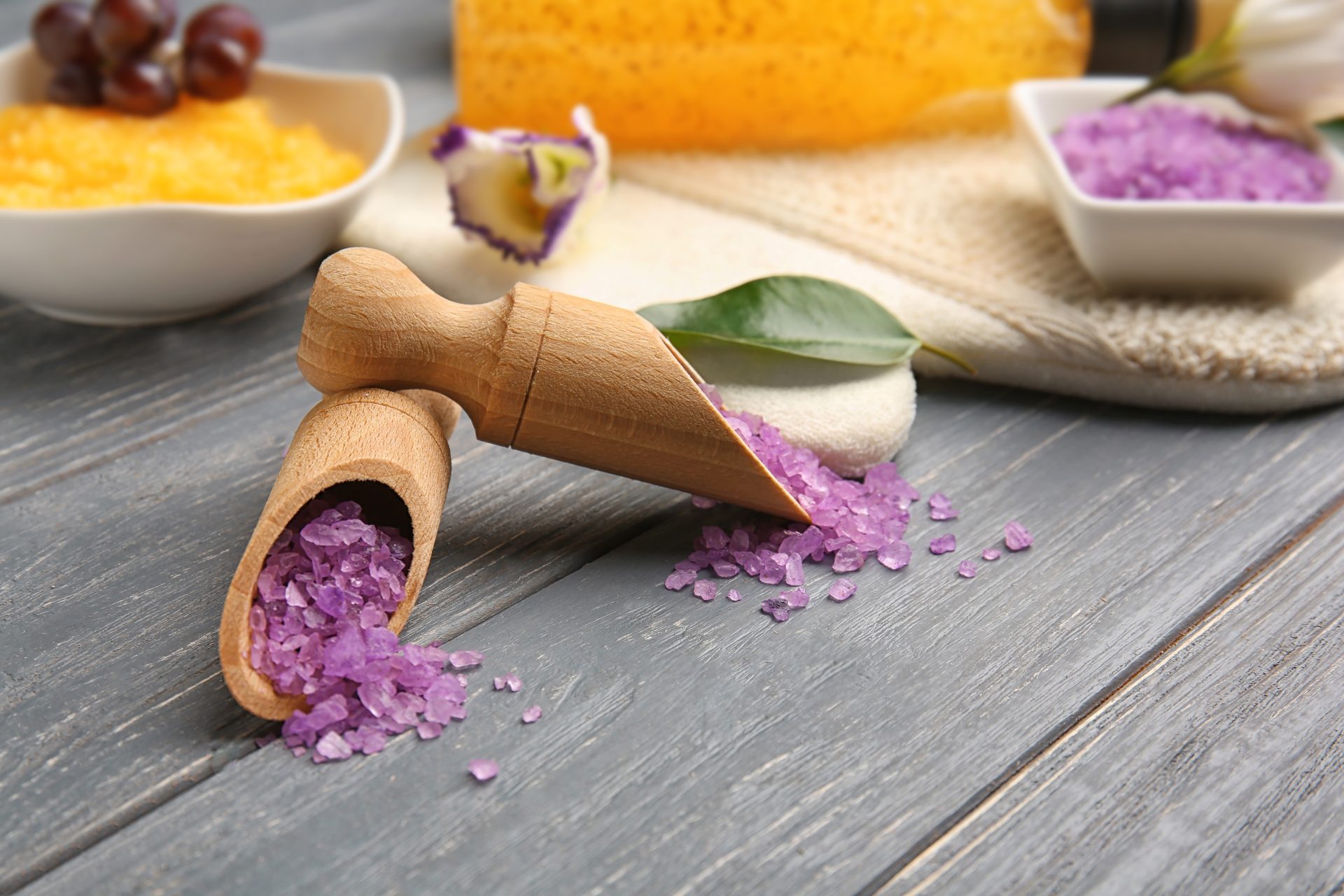
Exfoliation removes dead corneocytes from the skin surface, improving texture, radiance and how well subsequent products absorb. Done well it is one of the most effective steps in a routine. Done too enthusiastically it is one of the most reliable ways to damage a skin barrier, which is worth saying at the outset, because it is the commonest mistake in the category.
Exfoliation and cell turnover
Skin sheds continuously, but the process slows with age and can be uneven, leaving a dull, rough surface and contributing to clogged pores. Exfoliation assists it, either physically, with abrasive particles removing cells mechanically, or chemically, using acids or enzymes to dissolve the bonds holding dead cells together.
Physical exfoliators
Bamboo extract. Fine silica-rich particles giving mild exfoliation with relatively even particle size.
Sugar and salt. Dissolve as you work, so abrasion decreases during use; they are self-limiting and generally well tolerated. Usually formulated in oil, which adds an emollient benefit. Salt is harsher than sugar and unsuited to broken skin.
Jojoba beads. Spherical wax beads with no sharp edges, so they exfoliate without the micro-tears that irregular particles can cause. The best physical option for sensitive skin, and the standard replacement for plastic microbeads, which are now banned in rinse-off cosmetics across the EU, UK, US and many other markets on environmental grounds.
Apricot kernel and walnut shell. Coarser, with irregular fractured edges. They exfoliate effectively but can cause micro-tears, so they suit robust skin on the body far better than facial skin, and should be avoided on sensitive or acne-prone skin.
Chemical exfoliators
Alpha hydroxy acids (AHAs). Water-soluble acids that work at the skin surface, loosening the bonds between corneocytes. The AHAs are glycolic (smallest, most penetrating, most irritating), lactic (larger, also humectant), mandelic (largest, slowest, gentlest), plus malic, tartaric and citric acid. Effective for uneven tone, sun damage, texture and fine lines.
A frequent error worth correcting: kojic acid is not an AHA. It is a tyrosinase inhibitor used for pigmentation and does not exfoliate. It is a useful ingredient, in a different category.
Beta hydroxy acid (BHA). In cosmetics this means salicylic acid, essentially alone in the class. Its defining property is being oil-soluble, so it penetrates sebum into the pore lining where water-soluble AHAs cannot reach. That makes it the right choice for oily, congested and acne-prone skin, and it is anti-inflammatory, being related to aspirin.
One point that matters for safety: salicylic acid does not protect against sunburn. In human testing it did not increase UV sensitivity either, whereas glycolic acid did (Kornhauser et al., Journal of Dermatological Science, 2009). Daily broad-spectrum sun protection still belongs alongside any exfoliating routine.
Polyhydroxy acids (PHAs). Gluconolactone and lactobionic acid. Chemically related to AHAs but with substantially larger molecules, so they penetrate more slowly and cause less irritation, which is the entire basis of their gentleness. They also act as humectants. The best starting point for sensitive or reactive skin, and for anyone who has found AHAs too much.
Enzymes. Proteases such as papain (papaya) and bromelain (pineapple) digest the protein bonds anchoring dead cells. They act only on surface protein and are self-limiting, which makes them gentle. Note that gentle is not the same as harmless: enzymes can still irritate, and papain is a recognised allergen for some.
Retinoids. Not exfoliants in the strict sense, though they are often grouped here. They normalise keratinisation from within by altering gene expression rather than dissolving surface bonds, and they stimulate collagen. The visible peeling early in retinoid use is a side effect of adjustment, not the mechanism.
Vitamin C. Also not an exfoliant. At low pH, L-ascorbic acid has some mild effect on cell cohesion, but its real value is as an antioxidant, tyrosinase inhibitor and collagen cofactor.
Hyaluronic acid. Not an exfoliant at all; it is a humectant, included in exfoliating products to offset the drying they cause.
Benefits of exfoliation
Used appropriately, exfoliation smooths texture, brightens tone, helps with blackheads and congestion, fades superficial pigmentation over time, and improves how well serums penetrate. Sustained use of AHAs has evidence for increased epidermal renewal and, at higher concentrations, dermal effects.
Two claims worth setting aside: exfoliation does not detoxify the body, and it does not flush waste products. The mechanism is straightforwardly mechanical or chemical removal of dead cells from the surface, which is quite enough to justify it.
How much is too much
Over-exfoliation is common and easy to miss, because early on it looks like the product working. Signs are tightness, stinging when applying anything, redness, unexpected shininess and new breakouts. The remedy is to stop entirely for a couple of weeks and support the barrier with a bland moisturiser, not to switch to a different acid.
Start once or twice a week. Use one chemical exfoliant rather than several. Avoid stacking acids with retinoids on the same night when starting out. And use sun protection daily, without exception, whenever chemical exfoliants are part of the routine. See skin barrier and hydration.
Frequently asked
Is kojic acid an alpha hydroxy acid?
No. Kojic acid is a tyrosinase inhibitor used for pigmentation; it is not an AHA and does not exfoliate. The common AHAs are glycolic, lactic, mandelic, malic, tartaric and citric acid.
Can I use exfoliating acids and go in the sun?
Only with sun protection. AHAs such as glycolic acid increase sensitivity to UV, and retinoids make skin more reactive, so daily broad-spectrum SPF 30 or higher belongs alongside them. Salicylic acid is different: in human testing it did not increase UV sensitivity, but it does not protect against sunburn either.
How often should I exfoliate?
Less often than most people assume. Once or twice a week is enough for many, and daily use of a strong acid is a common route to a damaged barrier. Signs of over-exfoliation are tightness, stinging on application, redness and new breakouts.