2025-12-30 · 3 min read
Cosmetics as self-esteem boosters
What the research does and does not show about cosmetics and self-esteem: the enclothed cognition findings, the social effects, and the limits worth stating.
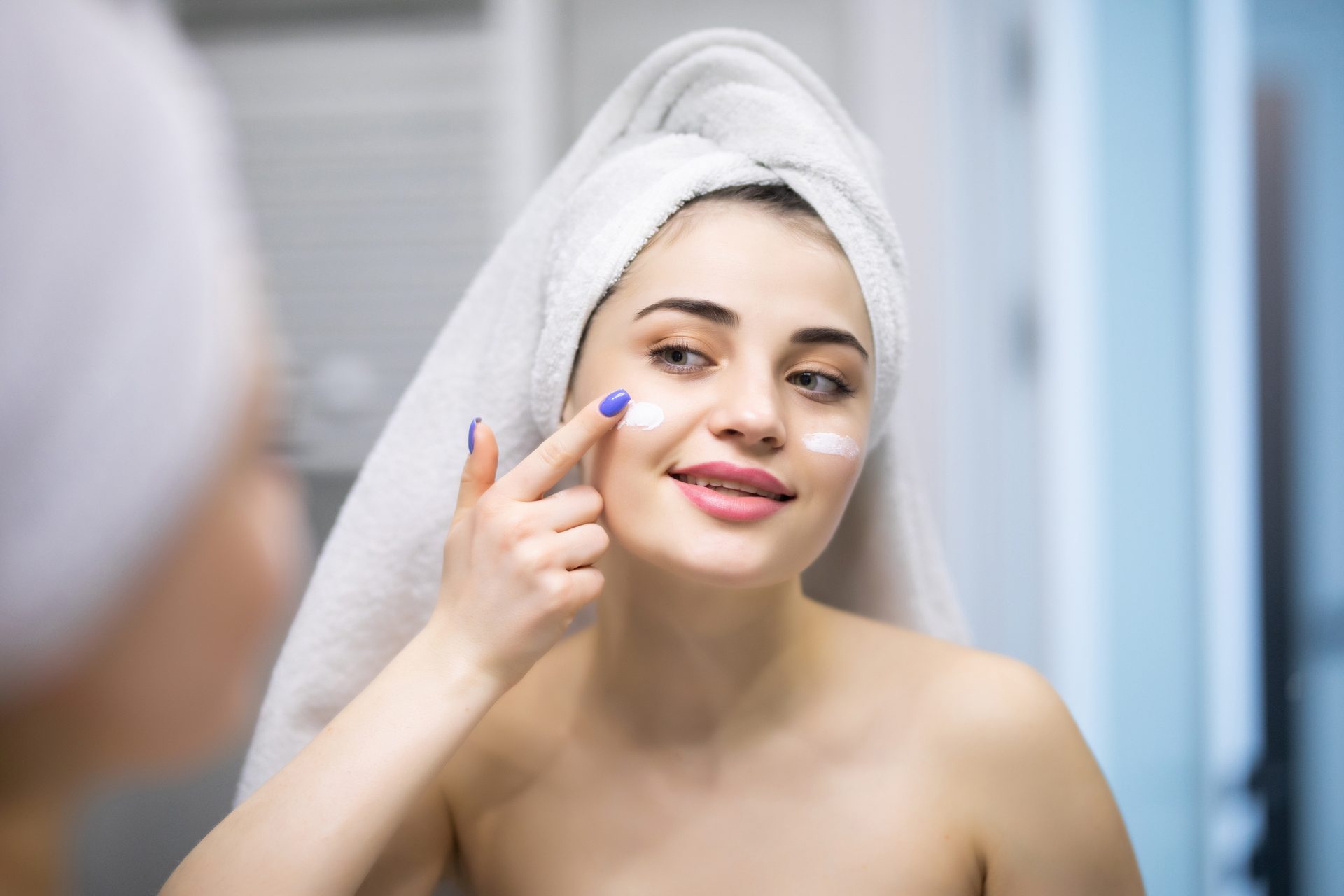
Appearance affects how people feel about themselves, and cosmetics are among the tools people use to manage that. It is a genuine effect and a frequently overstated one, so it is worth separating what the evidence supports from what marketing asserts.
The psychology
Grooming rituals (skincare, makeup, hair) function for many people as acts of self-care, and there is reasonable evidence that they are associated with improved mood and self-perception.
The mechanism appears to run mostly inward. Research on how clothing and appearance affect behaviour, sometimes described as enclothed cognition, suggests the larger effect comes from how a person perceives themselves rather than from measurable changes in how others treat them. Someone who feels put-together behaves with more assurance, and the assurance is what others respond to.
The creative dimension matters too. Choosing colours, techniques and styles is a form of self-expression, and self-expression is reasonably well linked to self-worth.
Cosmetics Europe survey work has consistently found that around seven in ten European consumers regard cosmetic and personal care products as important or very important in daily life, with sun protection, oral care and deodorant rating highest, which suggests the answer is about function at least as much as appearance.
Routine and self-regard
Setting aside time for personal care is a small act of prioritising oneself, and structured routines are broadly associated with better wellbeing. It costs little and many people find it settles the start or end of a day.
Worth noting the causal ambiguity, since it is rarely acknowledged: people who feel better may well groom more, as readily as grooming making people feel better. Most of the evidence here is observational and cannot separate the two.
Social confidence
Feeling comfortable with one's appearance does appear to affect social behaviour: more willingness to engage, to speak up, to be present. Positive responses from others reinforce it, which makes the effect self-sustaining once it starts.
The honest caveat is that this is difficult to disentangle from expectation. Someone who believes they look good behaves differently, and the belief may be doing most of the work.
Where the limits are
Worth stating plainly, because the category tends not to.
Cosmetics can contribute to how someone feels about their appearance. They are not a treatment for low self-esteem, body dysmorphic disorder, anxiety or depression, and presenting them as one is both inaccurate and potentially harmful, particularly where marketing frames a product as the thing standing between a person and self-acceptance.
The reverse framing is also worth resisting. Not wearing makeup is not a failure of self-care, and confidence that depends entirely on a product is fragile by construction. The most defensible position is the modest one: cosmetics are a useful tool that many people enjoy, with a real but limited effect on how they feel, no more and no less.
Which puts the weight back on the product
If cosmetics are used daily over years, what they are made of matters. A product that irritates, or that fails to do what it claims, works against the thing it was bought for. See the science behind cosmetic ingredients and cosmetics as daily self-care.
Frequently asked
Is there real evidence that cosmetics affect confidence?
There is reasonable evidence for a modest association, mostly from self-report studies and related work on how appearance affects self-perception. The effect appears to run largely through how a person sees themselves rather than through measurable changes in how others treat them.
What proportion of people consider cosmetics important?
Cosmetics Europe survey work has repeatedly found around seven in ten European consumers rating cosmetic and personal care products as important or very important in their daily lives, with sun protection and oral care among the highest-rated categories.
Can cosmetics help with low self-esteem?
They can contribute in a small way to how someone feels about their appearance. They are not a treatment for low self-esteem, body dysmorphic disorder or depression, and presenting them as one is both inaccurate and potentially harmful.