2025-12-30 · 4 min read
Regional and ethnic beauty frameworks and their preferences
K-beauty, J-beauty, C-beauty and the rest: what each regional framework prioritises, and the formulation and regulatory consequences for a supplier.
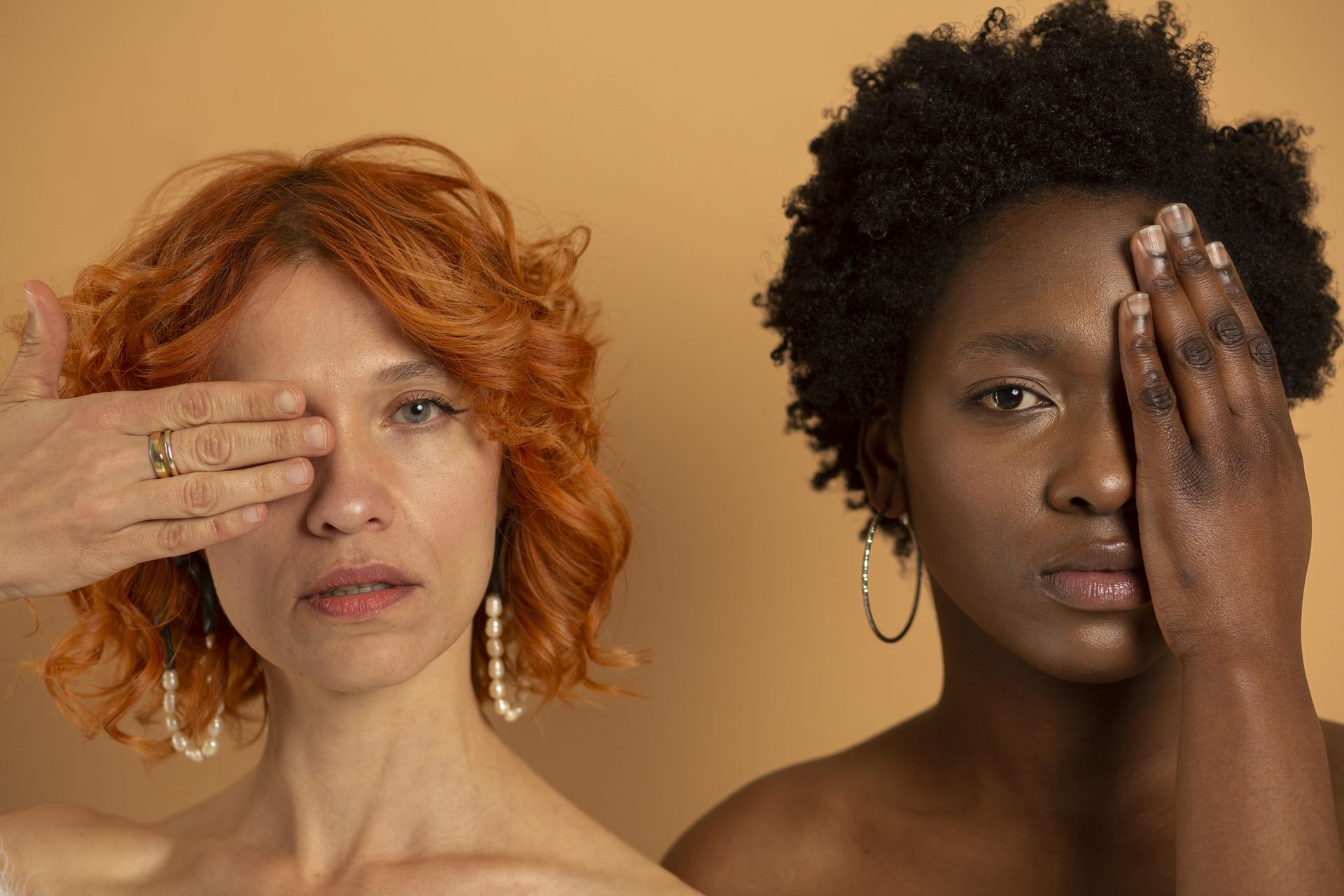
Beauty frameworks named by region (K-beauty, J-beauty and the rest) describe genuine differences in philosophy, ritual and ingredient preference, shaped by climate, culture and regulation. For a formulator or supplier they are useful shorthand for a set of expectations that a product has to meet.
One point of clarification first, because the abbreviations are not standardised. "A-beauty" is used for both Australian beauty and Arab beauty depending on the speaker. Both frameworks are real and quite different, and the abbreviation should be qualified rather than assumed.
The major frameworks
K-beauty (Korean). The most globally influential of the past decade. Characterised by multi-step layering of lightweight textures (essences, ampoules, sheet masks) with an emphasis on hydration, barrier health and prevention rather than correction. Rapid product innovation, playful formats, and heavy use of sun protection. Korean sunscreen formulation is widely regarded as ahead of the field on texture, partly because Korea permits filters the US monograph does not.
J-beauty (Japanese). Often positioned as K-beauty's counterpart: fewer, richer steps, refined textures, and a preference for long-established ingredients (rice ferments, camellia oil, green tea) over novelty. Consistency and craft over rapid iteration, with cleansing treated as its own discipline.
C-beauty (Chinese). A fast-growing market drawing on traditional Chinese medicine alongside modern formulation, with strong local demand for hydrating and brightening products. Note the regulatory dimension: China maintains its own approved-ingredient lists and registration requirements, and rules on imported cosmetics and animal testing have changed substantially in recent years, so the current position is worth checking rather than assuming.
A-beauty (Australian). Native botanicals (Kakadu plum, tea tree, macadamia) with a "less is more" routine and a strong emphasis on sun protection, unsurprising given Australia has among the highest skin cancer rates in the world. Sunscreens are regulated as therapeutic goods by the TGA, and the standard is demanding.
A-beauty (Arab). Distinct traditions built around oils, kohl, henna and fragrance, with rich textures and a long-standing culture of layered scent. Halal certification is a significant requirement across much of the market.
F-beauty (French). Effortlessness as the organising idea: minimal makeup over well-maintained skin, pharmacy skincare with a clinical rather than aspirational tone, and a long tradition of dermocosmetics.
M-beauty (Malaysian). Traditional herbal practice combined with modern formulation, using local materials such as turmeric and pandan. Halal certification matters here too, and formats are adapted for a hot, humid climate.
D-beauty (Dutch) and S-beauty (Scandinavian). Both centre on minimalism, sustainability and short ingredient lists, with eco-conscious packaging, cruelty-free formulation, and a preference for functional simplicity. Scandinavian formulation also reflects cold, dry winters and indoor heating, which push toward richer barrier support.
K-pop and cultural export. Worth separating from K-beauty proper. Music and screen culture drive demand for particular looks (bold colour, glass-skin finishes), which is a colour cosmetics phenomenon rather than a skincare philosophy, and it moves faster.
What this means for formulation
These preferences translate into concrete briefs. Texture and finish vary sharply (dewy versus matte, lightweight versus rich) and are usually the first thing a market rejects a product over. Fragrance level expectations differ widely. Climate drives real formulation change: humid markets need lighter emulsions and better wear, cold dry markets need occlusives. Format preferences differ too, from sheet masks to cushion compacts to sticks.
And what it means for compliance
The regulatory divergence is the harder constraint. Permitted UV filters differ substantially: the EU permits filters the US does not, and Japan and Australia maintain their own lists. Colourants are drawn from different positive lists. Preservatives face different restrictions. Certification requirements (halal, cruelty-free, organic) vary by market and by scheme.
Which is why a global launch is usually a family of closely related formulas rather than one. See country-by-country filter regulation and inclusivity in shade ranges.
Frequently asked
What does A-beauty stand for?
Both Australian beauty and Arab beauty, depending on the source, an ambiguity worth resolving explicitly rather than assuming. Australian A-beauty emphasises native botanicals, sun protection and a "less is more" routine; Arab A-beauty draws on traditions around oils, kohl and fragrance.
What is the difference between K-beauty and J-beauty?
Approach more than ingredients. K-beauty is associated with multi-step layering of lightweight textures, rapid innovation and playful formats. J-beauty favours fewer, richer steps, refined textures and long-standing ingredients such as rice ferments and camellia oil, with an emphasis on consistency over novelty.
Can one formula serve every market?
Rarely. Permitted UV filters, colourants and preservatives differ between the EU, US, Japan, China and elsewhere, and sensory expectations differ too. A global launch usually means a family of closely related formulas rather than one.