2025-12-29 · 4 min read
Popular ingredients to enhance skin tone and reduce hyperpigmentation
The actives with evidence for hyperpigmentation (vitamin C, niacinamide, alpha arbutin, licorice, azelaic acid, retinoids), how each works and why SPF is non-negotiable.
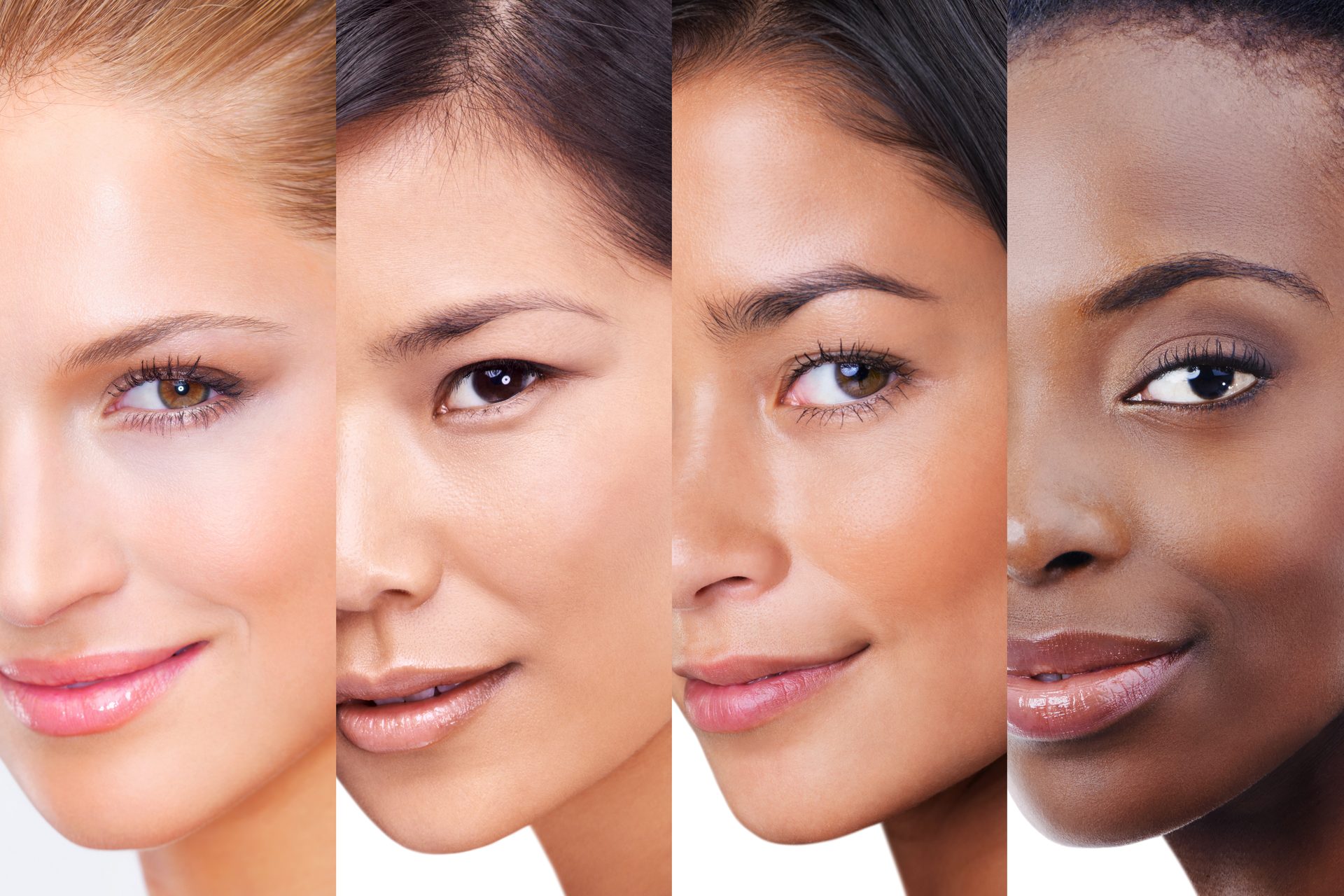
Uneven tone, dark spots and patches are among the most common reasons people take up a skincare routine, and the good news is that this is a well-studied area with several actives that work. The difficulty is telling them apart from the ones that do not.
Why uneven tone happens
Pigmentation comes from melanin, produced by melanocytes in the basal epidermis and packaged into melanosomes that are transferred to surrounding keratinocytes. The rate-limiting step in making it is the enzyme tyrosinase, which is why so many brightening actives target that one enzyme.
Overproduction has several triggers: UV exposure above all, hormonal influences (melasma in pregnancy or on the contraceptive pill), inflammation leaving post-inflammatory hyperpigmentation after acne, and genetics. Knowing which one you are dealing with matters, because melasma in particular is stubborn and prone to relapse.
Ingredients with evidence behind them
Vitamin C. A tyrosinase inhibitor and an antioxidant, so it reduces new pigment while limiting the oxidative damage that drives it. It is also a collagen cofactor. L-ascorbic acid is the most studied form; stabilised derivatives such as sodium ascorbyl phosphate trade potency for shelf life. Discard it once it has turned yellow-brown; that is oxidation, and an oxidised serum does nothing.
Niacinamide. Works by a different route, and that makes it a good partner for the rest. Rather than inhibiting tyrosinase, niacinamide reduces the transfer of melanosomes from melanocytes to keratinocytes, so melanin is made but not distributed. It also calms inflammation, which helps prevent post-inflammatory pigmentation forming in the first place. Well tolerated, stable, and easy to combine.
Alpha arbutin. A glycoside of hydroquinone that inhibits tyrosinase directly, and is better tolerated than hydroquinone itself. Its potential to release free hydroquinone is a stability and safety consideration, which is why the EU caps it at 2% in face creams and 0.5% in body lotions, with hydroquinone held to trace levels (Regulation (EU) 2024/996, following SCCS safety opinions). Effective on dark spots and generally suitable for sensitive skin.
Licorice extract. The active constituent is glabridin, a flavonoid that inhibits tyrosinase and is anti-inflammatory: a useful combination, since inflammation drives pigmentation. Gentle enough for reactive skin.
Azelaic acid. Naturally occurring, found in wheat, rye and barley, and unusually versatile: a tyrosinase inhibitor, antimicrobial against C. acnes, and anti-inflammatory. That makes it particularly good where acne and post-inflammatory pigmentation occur together, and it is one of the few brightening actives generally considered safe in pregnancy. Typically up to 10% in cosmetic products and 15–20% in prescription medicines.
Retinoids. Worth being clear about, because the effect is often stated backwards: retinoids reduce pigmentation. They disperse existing melanin granules, accelerate turnover so pigmented cells reach the surface and shed sooner, and inhibit the induction of tyrosinase. They are among the better-evidenced options. The caveat is irritation: if a retinoid inflames skin, that inflammation can itself produce pigmentation, so introduce slowly.
4-butylresorcinol. A potent tyrosinase inhibitor, effective at low concentrations. See Resinol.
What does not help with pigmentation
Hyaluronic acid is frequently listed in this context and does not belong. It is a humectant: it hydrates and plumps, which improves radiance and the appearance of fine lines, but it has no effect on melanin synthesis or on existing pigment. A worthwhile ingredient for a different job.
The part that matters most
Everything above is secondary to this: daily broad-spectrum sun protection is the foundation of any pigmentation routine. UV is the primary driver of melanin production, so without it new pigment replaces what the actives fade, and the routine runs on the spot. SPF 30 or higher, applied daily, reapplied.
For melasma specifically, visible light contributes as well as UV, so tinted mineral sunscreens, where iron oxides filter visible light, outperform untinted ones. See sunscreens for various skin types.
Setting expectations
Allow eight to twelve weeks. These actives inhibit new pigment formation; existing pigment fades only as those cells reach the surface and shed. Introduce one active at a time, and see a dermatologist for melasma or for pigmentation that is not responding; several effective treatments are prescription-only.
Frequently asked
Do retinoids increase or decrease pigmentation?
Decrease. Retinoids disperse existing melanin granules, accelerate turnover of pigmented keratinocytes and inhibit tyrosinase induction. They are among the better-evidenced treatments for hyperpigmentation, though they can cause temporary post-inflammatory pigmentation if they irritate.
Does hyaluronic acid help with dark spots?
No. Hyaluronic acid is a humectant; it hydrates and plumps, which improves overall radiance and the look of fine lines, but it has no effect on melanin production or on existing pigmentation.
How long before a brightening routine shows results?
Eight to twelve weeks for most actives, because they inhibit the formation of new pigment rather than removing pigment already deposited. Existing pigment fades as those cells reach the surface and shed.