2025-12-30 · 3 min read
Industrial dyes and pigments used in consumer appliances
How appliance makers colour plastics (masterbatch, compound, liquid and dry colour) and why UV stabilisers and surface finish do jobs colour cannot.
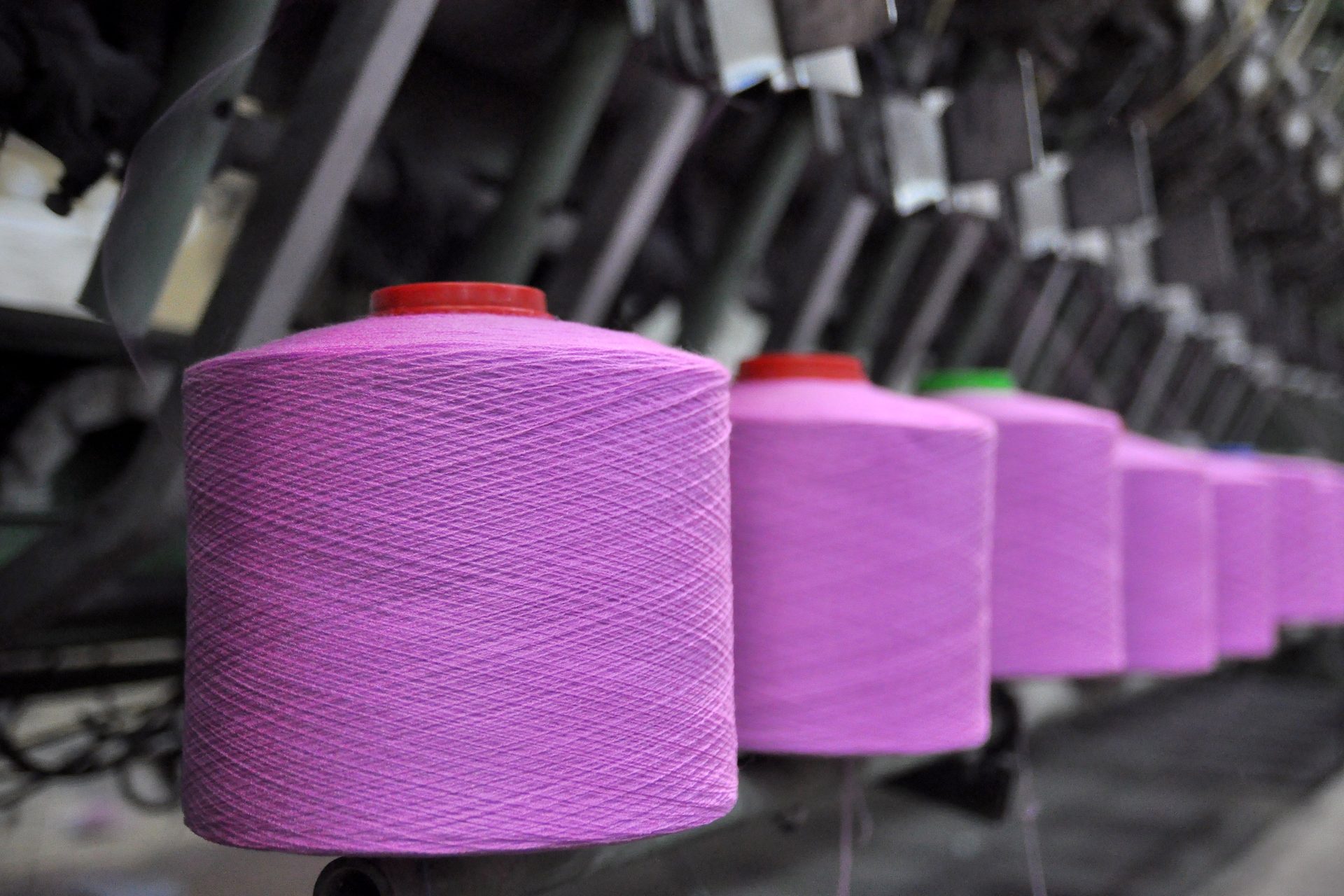
Colour has become a serious differentiator in consumer appliances, and the colourant technology behind it is more involved than the finished product suggests.
Colour has shifted from identification to brand. It once mainly distinguished one product from another; now a particular finish is often part of a brand's visual identity, carried consistently across a range.
The palette has widened enormously. Appliances were white, black or stainless. Manufacturers now offer a broad set of shades, textures and finishes (matte, satin, metallic, patterned), and each combination is a separate technical problem.
Colourants are engineered into the polymer, not applied to it. For moulded parts the colour is in the material, which means the colourant must survive processing temperatures, disperse evenly, and not interfere with the mechanical properties of the part.
Delivery forms differ in what they trade off. Masterbatch is pigment concentrated in a carrier polymer and supplied as granules, let down into the base resin at the machine. This is the most common route, because dispersion is already done and handling is clean. Liquid masterbatch doses accurately and suits low let-down ratios and light shades. Dry colour (raw pigment powder) is the cheapest per unit of colour but the messiest, with the greatest risk of poor dispersion and cross-contamination. Pre-coloured compound arrives ready to mould, at the highest material cost and the lowest processing risk.
Colour matching across an appliance is difficult. A single product may combine ABS, polypropylene, polycarbonate blends, painted metal and glass, moulded on different tools and sometimes at different sites. The same pigment loading reads differently in different polymers, and surface texture changes perceived colour again. Matching is therefore done against finished parts under controlled lighting, not against pellets; a small error shows up as a visible mismatch between two adjacent panels.
Colour is only one part of the additive package. Durability comes from what travels alongside the pigment: UV stabilisers and antioxidants to prevent yellowing and embrittlement, heat stabilisers for processing. Inorganic pigments contribute here in their own right, since metal oxides are inherently light-stable, but the resistance to weathering and ageing comes from the stabiliser system, not from the colour.
Fingerprint resistance is a surface property. Worth separating out, because it is often attributed to the colourant. Resistance to fingerprints and marks comes from surface finish and coatings: textured or matte finishes that break up reflections, and oleophobic coatings on stainless steel. Colour changes how visible a mark is against its background; it does not prevent the mark.
Supplier capability matters. Consistent shade batch to batch, documented heat and light stability data, and regulatory compliance for food-contact or child-contact parts are what separate a workable colourant supply from a recurring production problem.
Colour gives appliance brands a real tool for differentiation, provided the colourant, the stabiliser package and the surface finish are specified together. For how colourants are identified, see how to read a CI number.
Frequently asked
What is a masterbatch?
Pigment dispersed at high concentration in a carrier polymer, supplied as granules and let down into the base resin during moulding. It gives better dispersion and cleaner handling than adding raw pigment powder at the machine.
Why is colour matching hard across an appliance?
Because adjacent parts are frequently moulded in different polymers, on different tools, sometimes at different sites. The same pigment loading can read differently in ABS than in polypropylene, so matching is done against the finished part rather than the pellet.
Do coloured pigments stop fingerprints showing?
No. Fingerprint resistance is a property of surface finish and coating (textured finishes and oleophobic coatings), not of the colourant. Colour affects how visible a mark is against the background, but it does not prevent one.